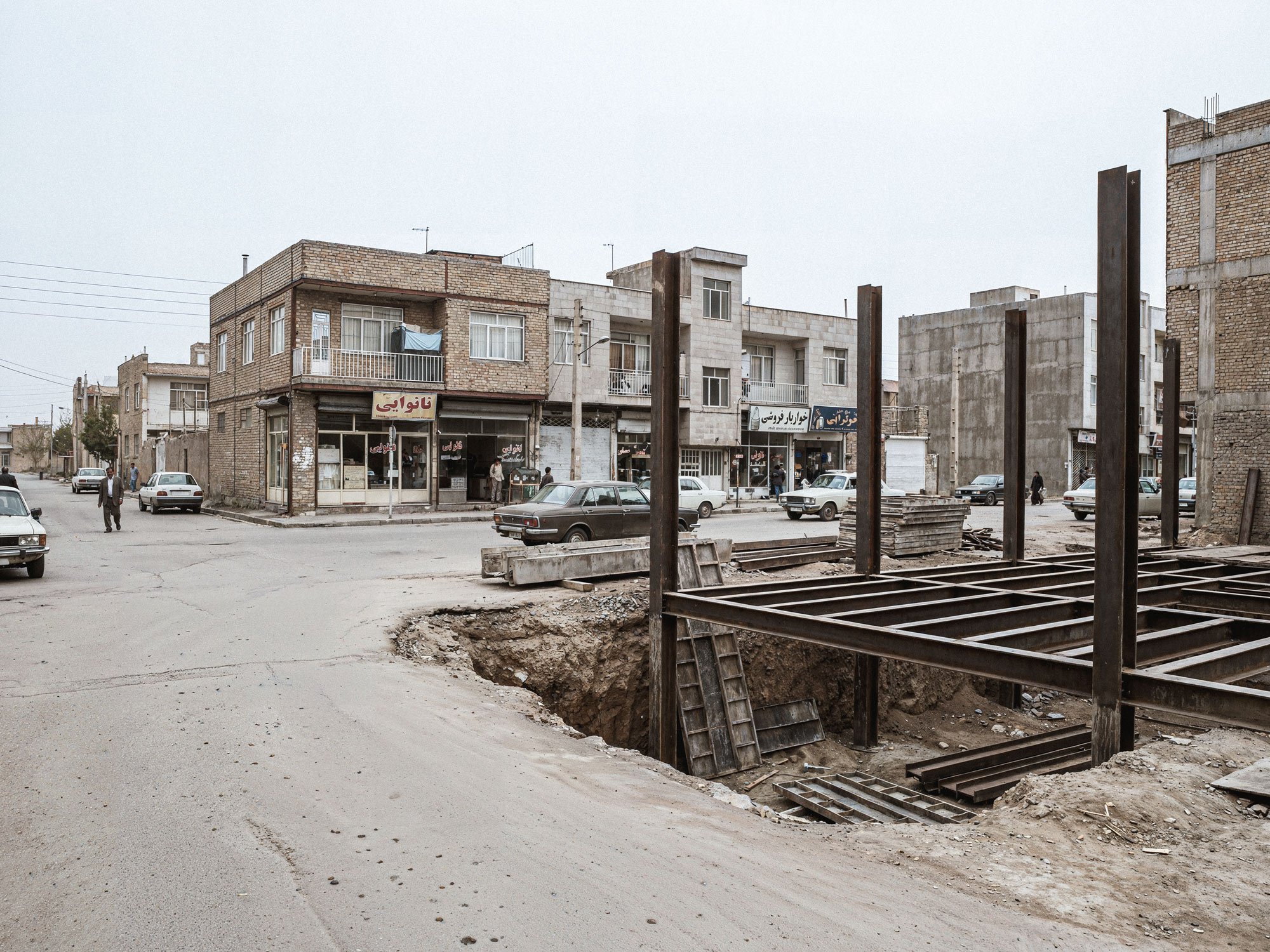
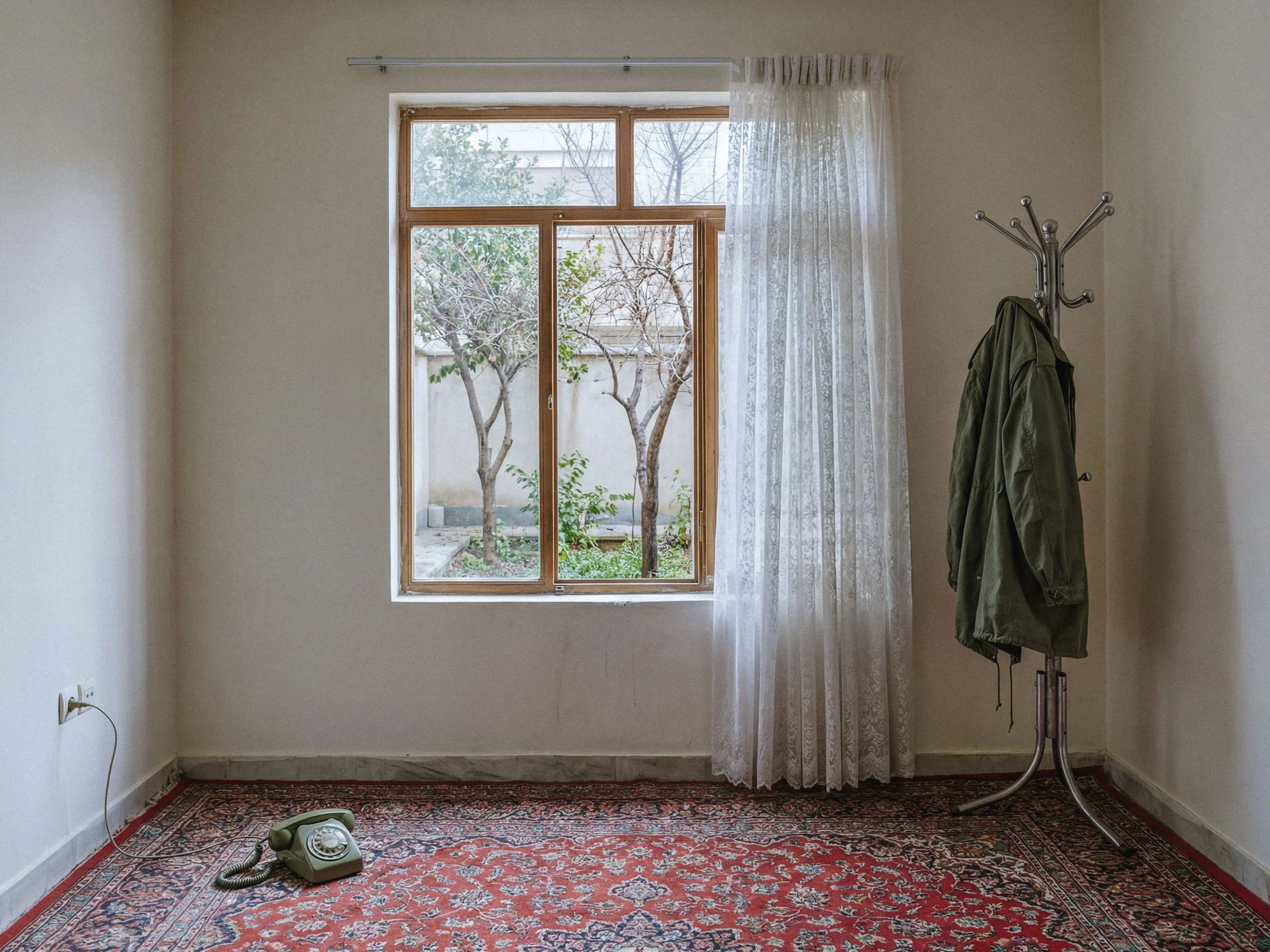
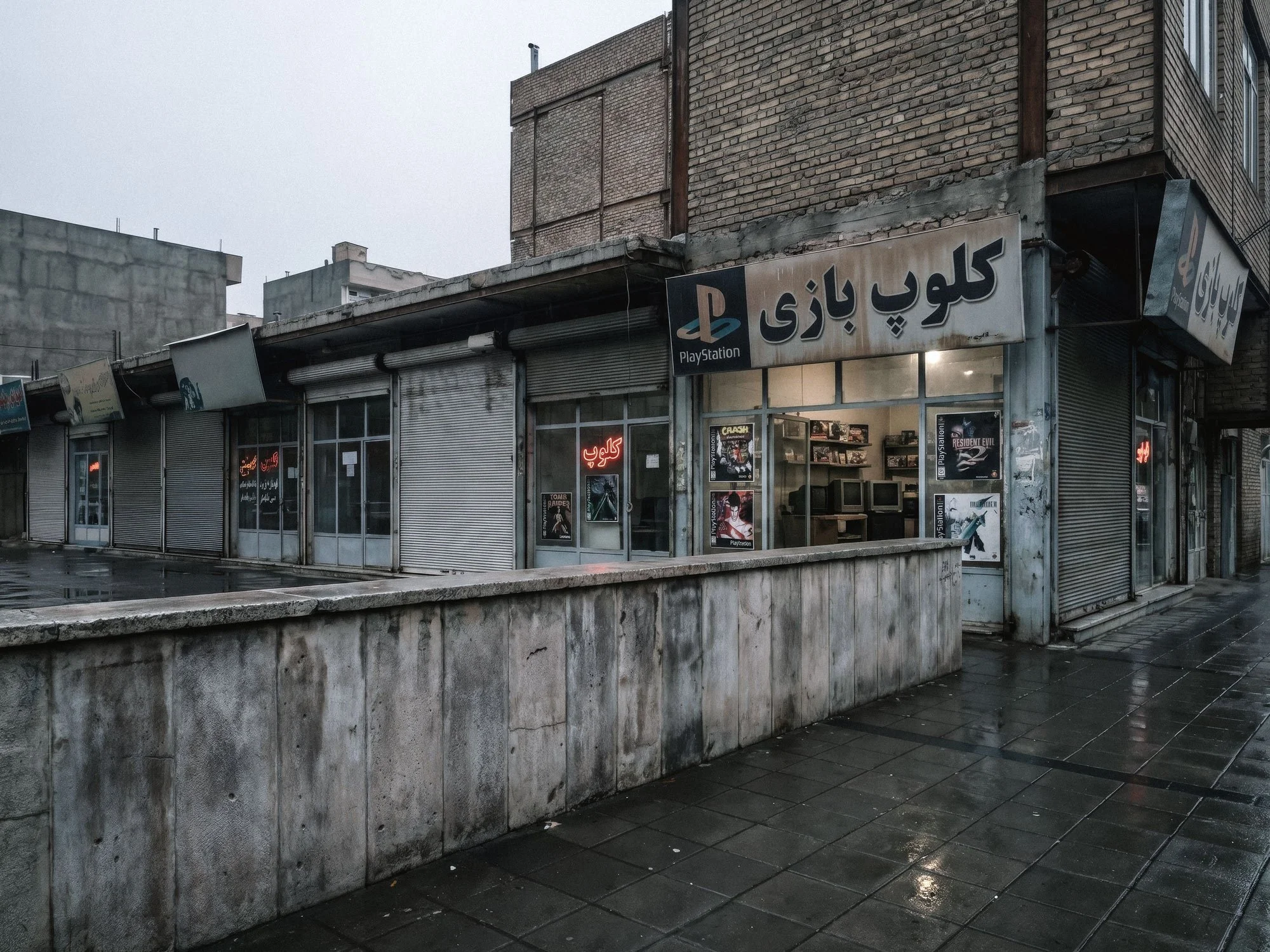
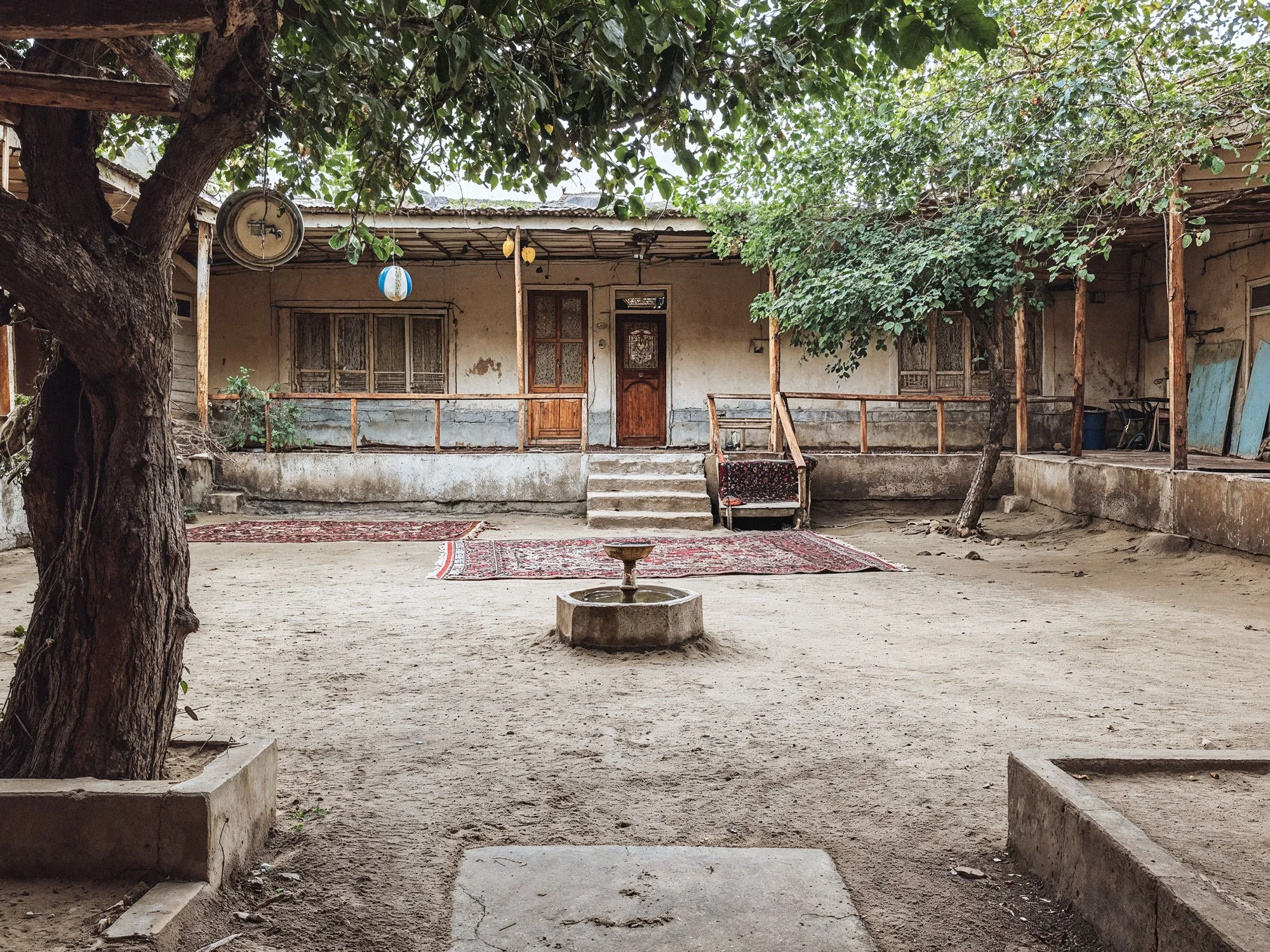
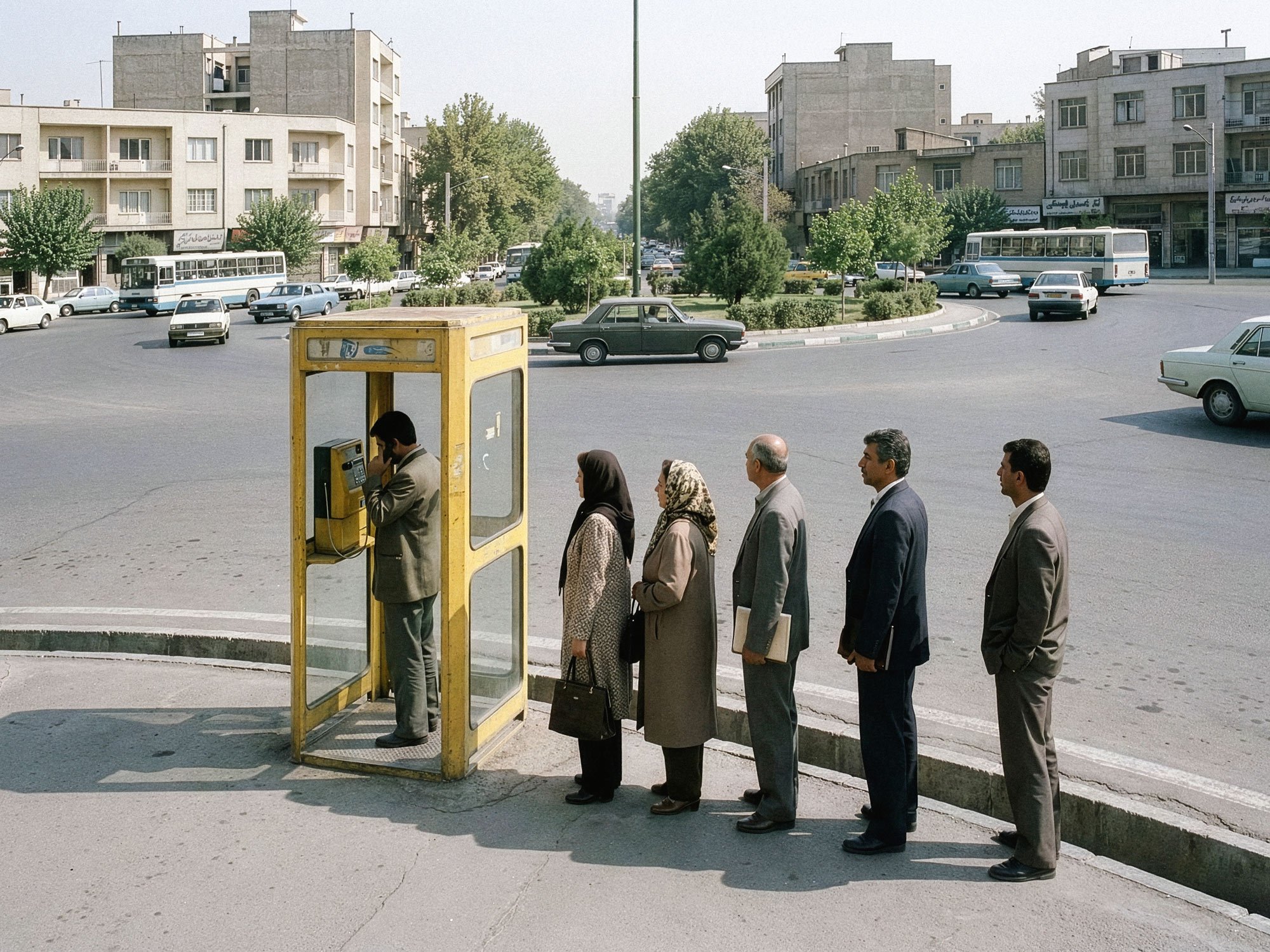
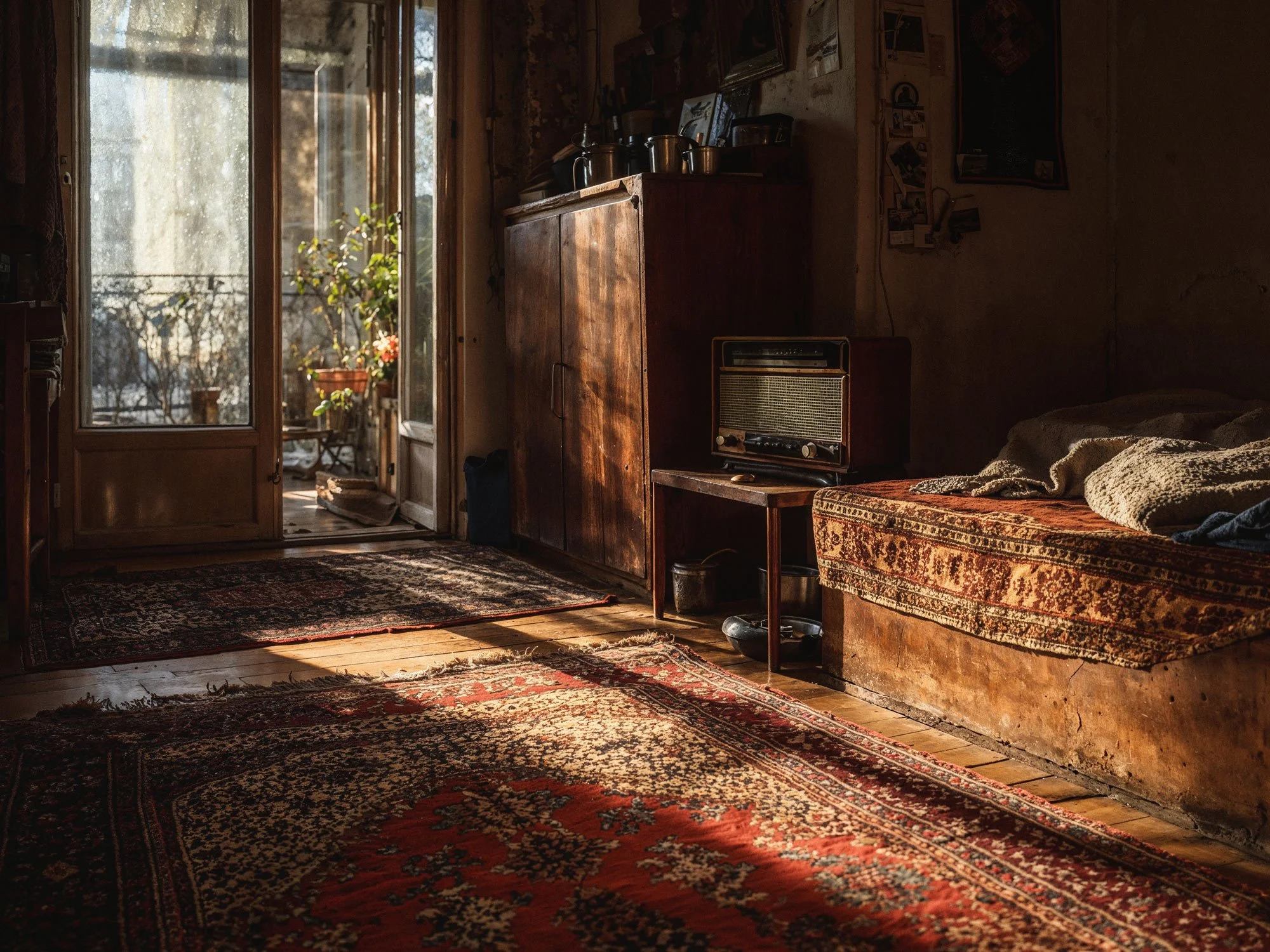
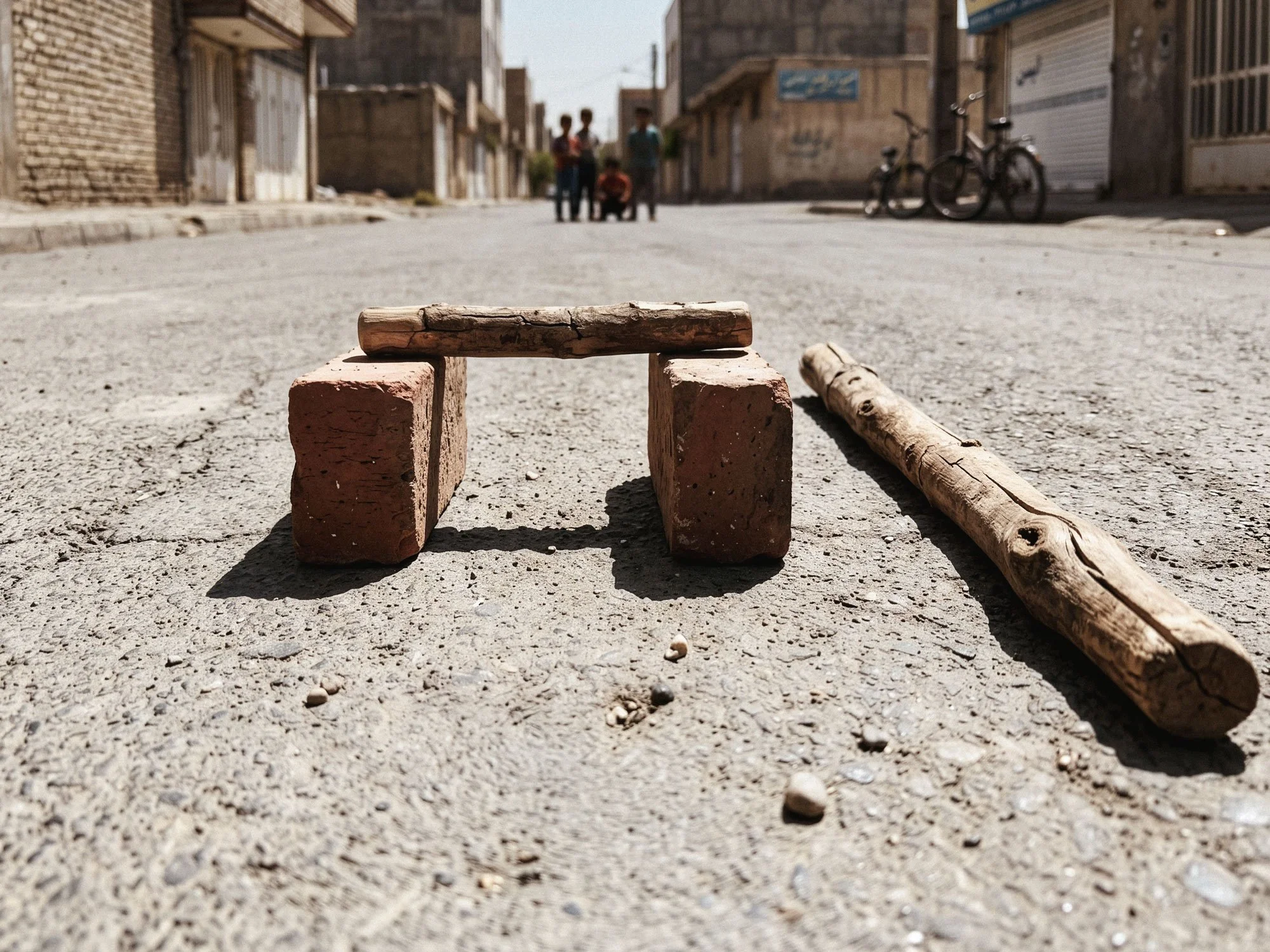
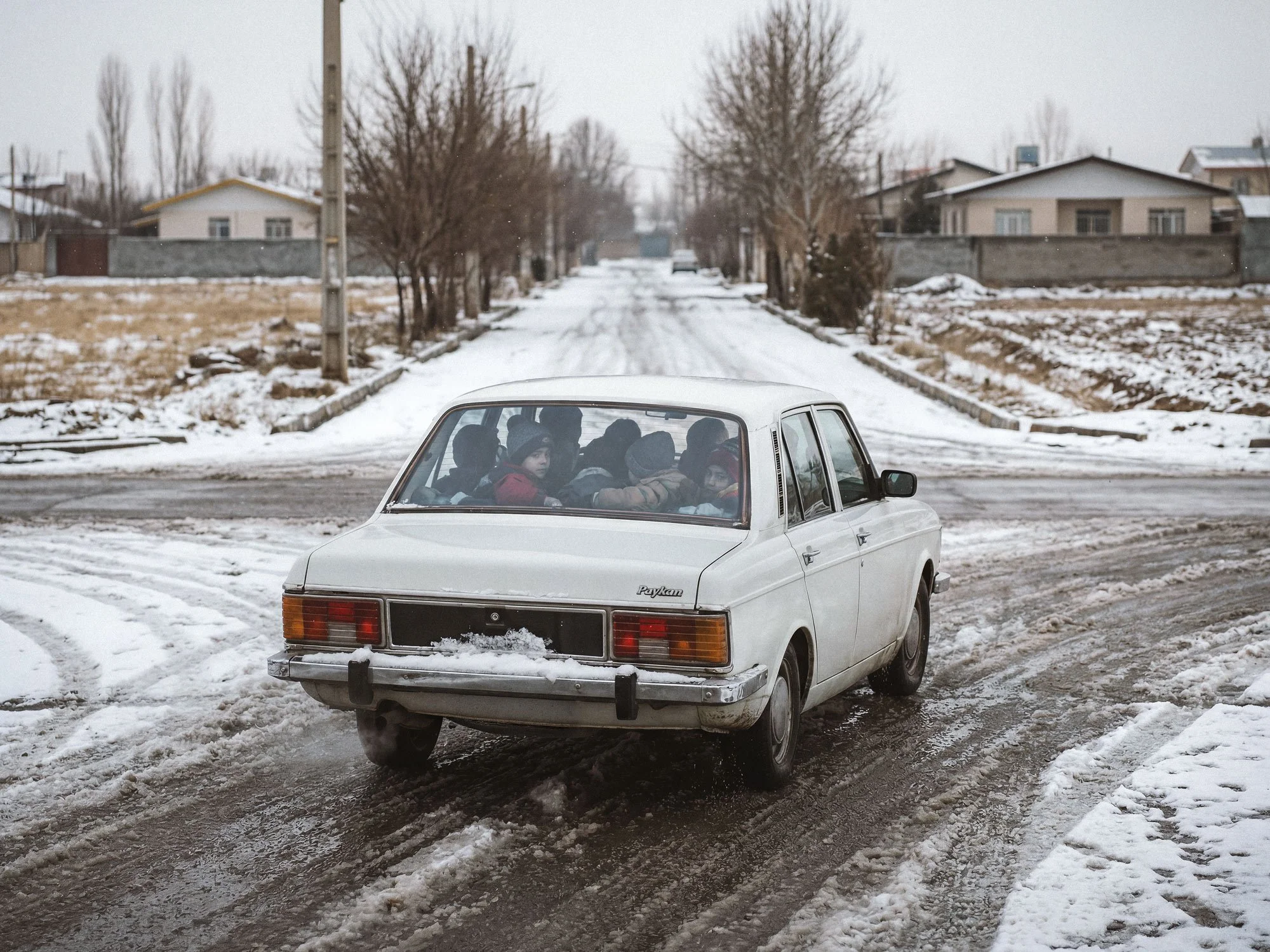
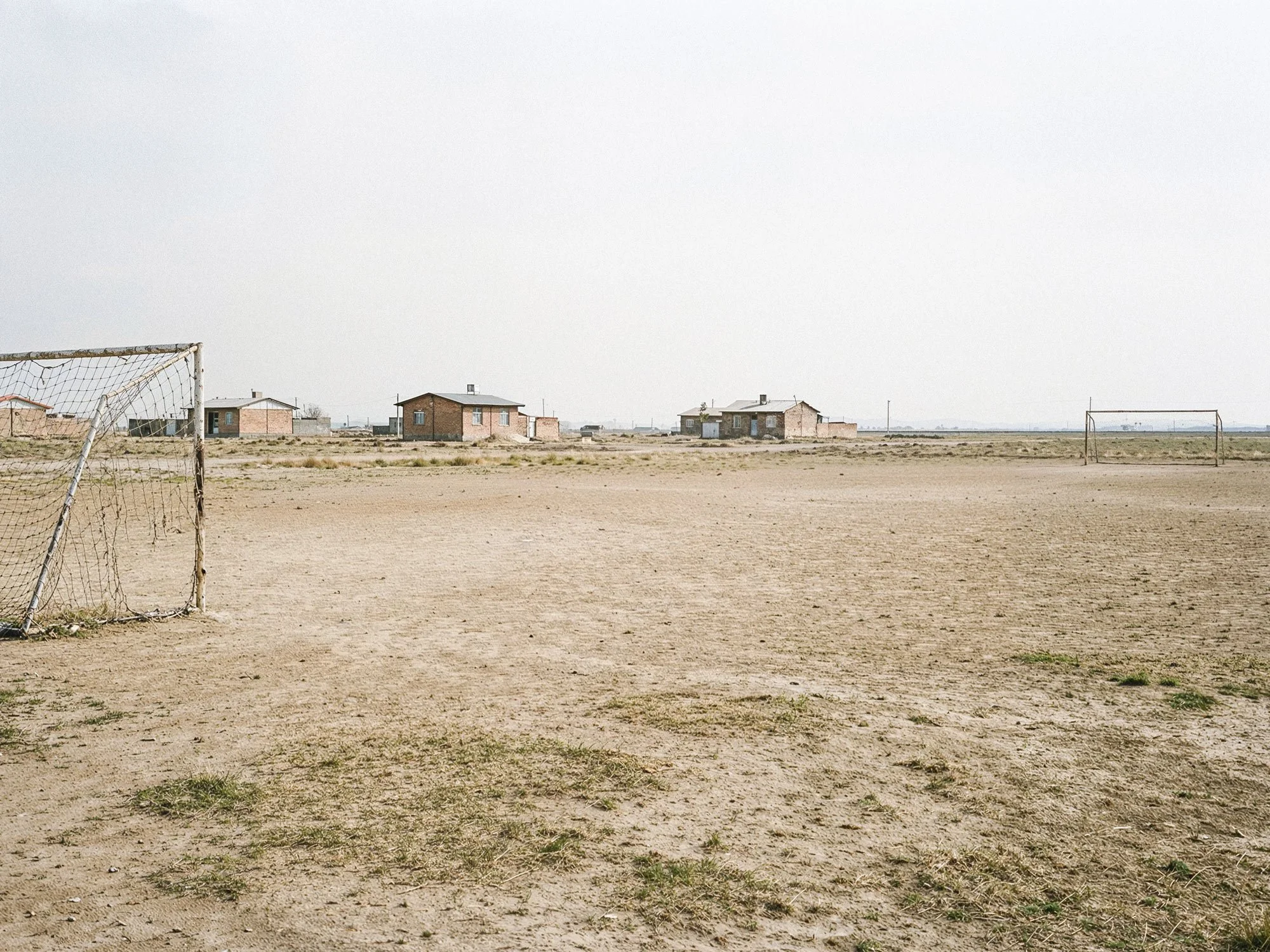
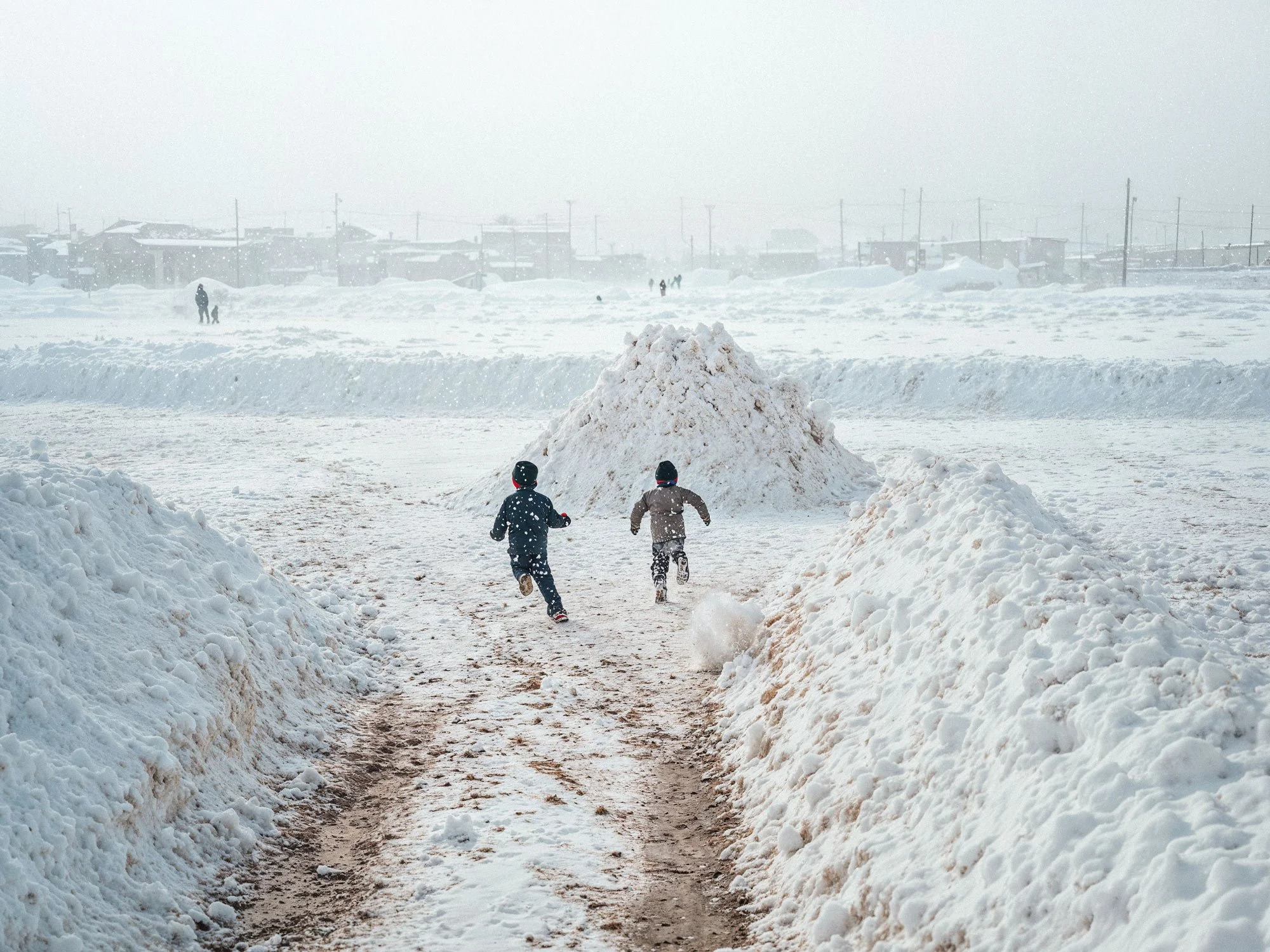
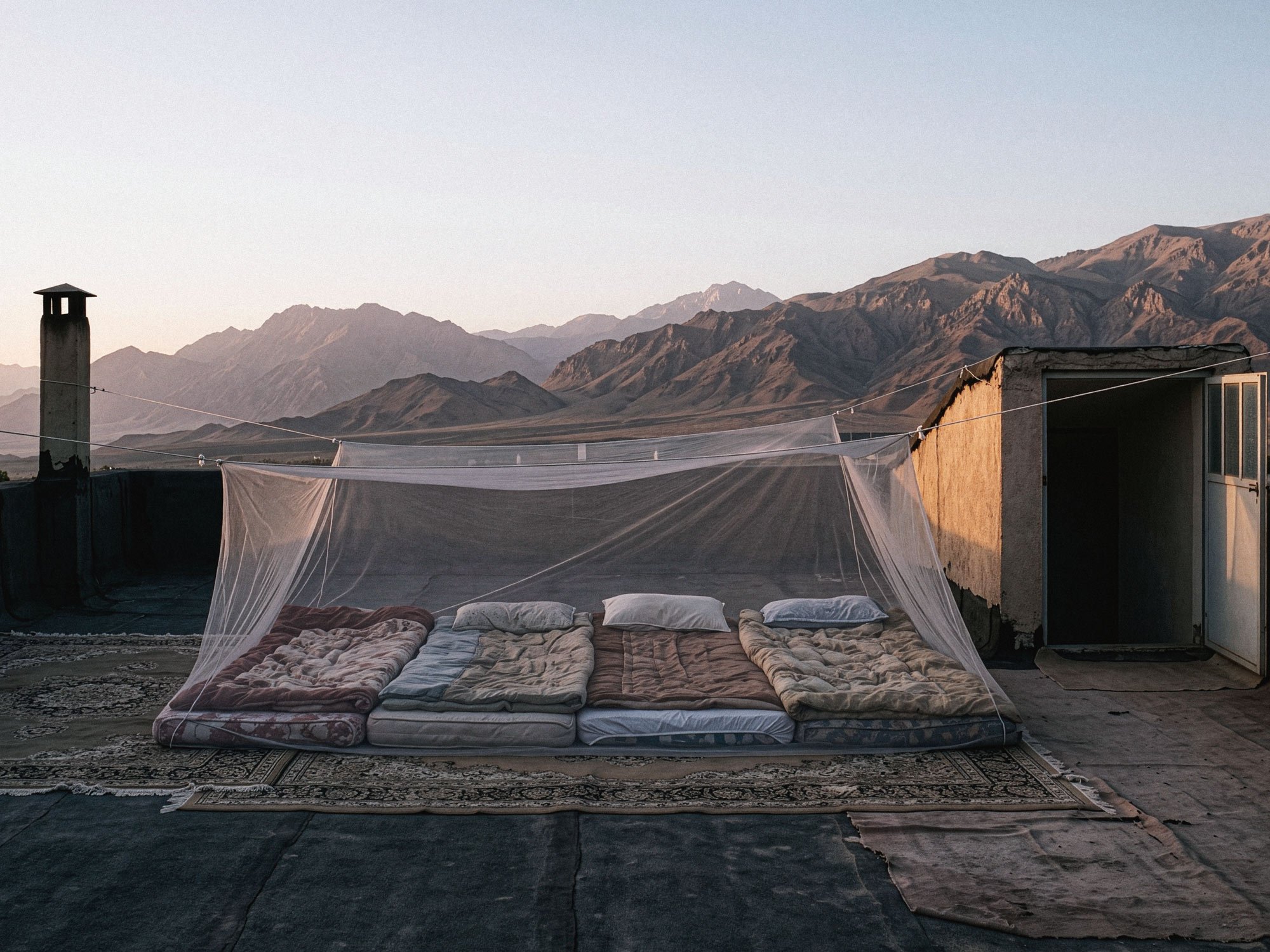
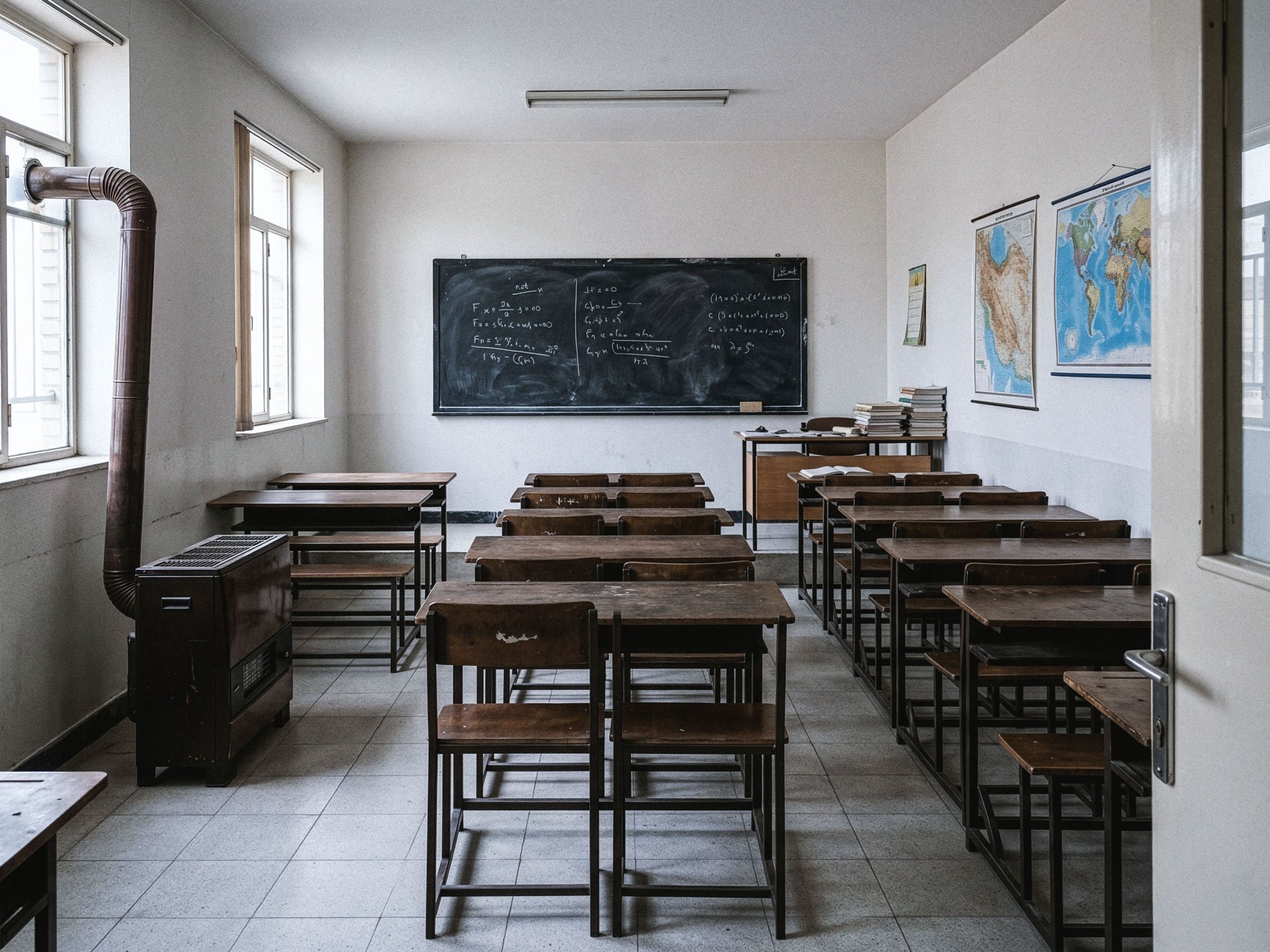
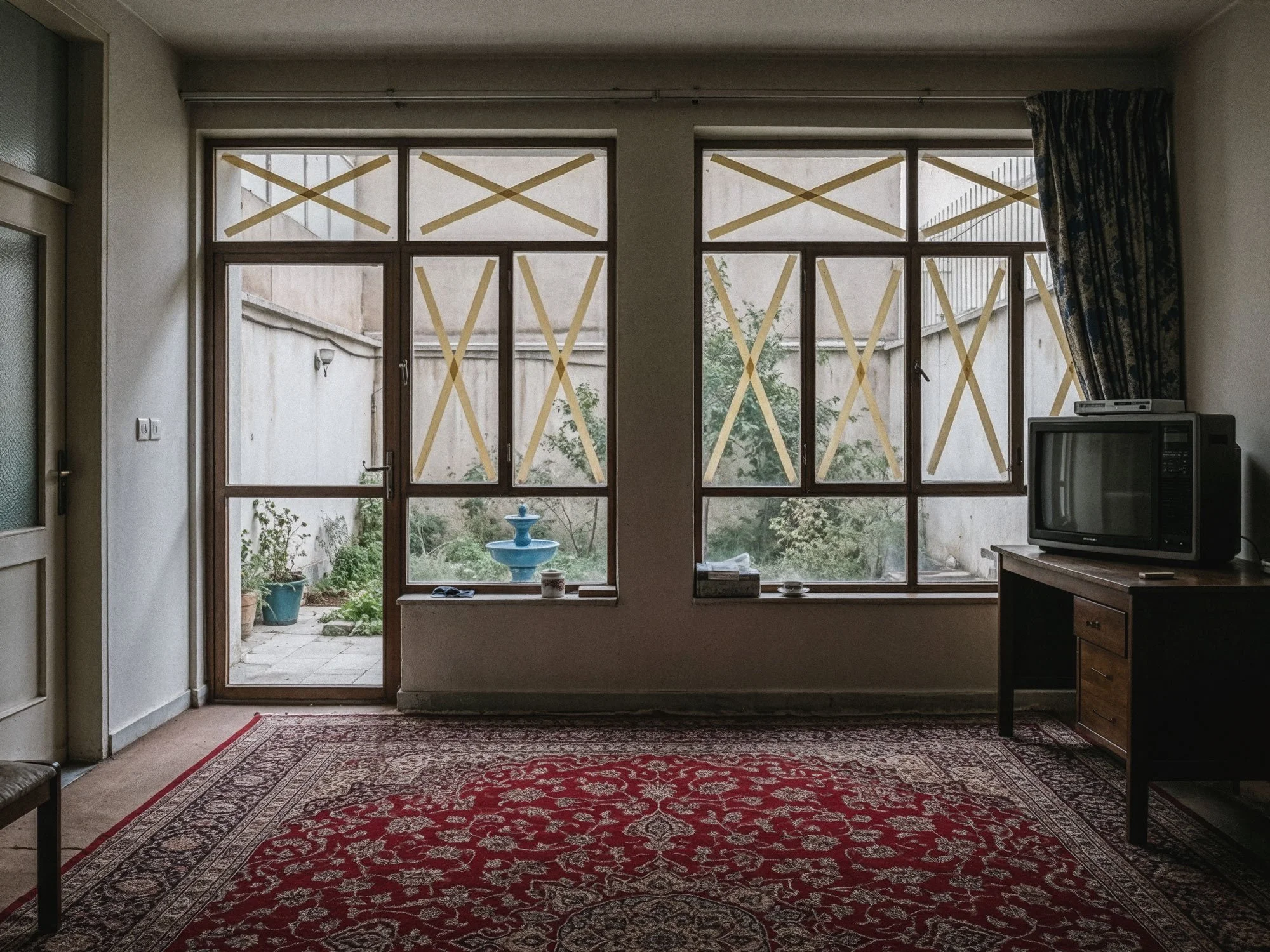
Resurrection is a body of photographic work that uses artificial intelligence as a reconstruction tool to picture the homes, streets, open fields, and school from my childhood and adolescence in Iran, places that no longer exist. Some of these sites have been destroyed, some transformed beyond recognition, and others remain inaccessible in their original form.
Because they can no longer be photographed directly, the project confronts a problem specific to photography: when the physical referent has disappeared, what is left to photograph? Resurrection proposes that the referent shifts inward. The images are not generated from existing photographs or archives but built from lived memory through detailed prompting, repeated correction, and the refusal of false detail — the same judgments that guide photographic practice in front of a camera. What emerges is not documentary fact, but mnemonic accuracy: a truth rooted in persistence rather than verification.
The work refuses the binary of real and fake. The images do not claim to restore what was lost, nor do they pretend to be fantasies. They are visual evidence that memory continues to produce place long after physical disappearance, and that photography can continue through it.